 Emily Thompson5 min read
For most of us, the internet is woven into the fabric of everyday life. We rely on connected devices for everything from streaming movies and managing finances to controlling smart thermostats and door locks. As our homes become smarter and more connected, the need for reliable, user-friendly online security has never been greater. With cyber threats evolving rapidly and traditional password protection struggling to keep up, many experts believe biometric authentication will soon become the new standard for safeguarding our digital lives.
Why Passwords Are No Longer Enough
The convenience of connected living comes with a price: cybercriminals are getting smarter and attacks more frequent. Phishing scams, data breaches, and password leaks are now a routine part of the digital landscape. Weak or reused passwords are still the most common way hackers gain access to private accounts, making traditional security measures feel increasingly outdated. Even two-factor authentication, while an improvement, can be cumbersome and isn’t always foolproof.
There’s a growing need for a security solution that’s both robust and easy to use-one that doesn’t rely on something you have to remember or carry with you.
How Biometric Authentication Works and Why It Matters
Biometric authentication identifies users based on unique physical or behavioral traits. Instead of typing in a password or PIN, you simply touch a sensor, look at a camera, or speak into a microphone. The most common forms include fingerprint scans, facial recognition, voice analysis, and even behavioral patterns like typing rhythm.
Unlike passwords, biometric data is tied directly to you and cannot be forgotten, guessed, or easily stolen. When you set up a biometric system, your data is securely stored-usually on the device itself. Each time you log in, the system matches the new sample to your stored profile. If it matches, you’re in.
Over the past few years, fingerprint and facial recognition have become standard features in smartphones and laptops. Many users appreciate the speed and simplicity, though there are still questions about privacy and accuracy. As these technologies continue to improve, more people are starting to trust and adopt them for everyday use.
Key Benefits of Biometric Security at Home
Making Life Easier Without Sacrificing Safety
Biometric authentication dramatically reduces the risk of unauthorized access, phishing, and many common forms of cyberattack. While a hacker might guess your password or trick you into revealing it, replicating your fingerprint or face is a far more difficult task.
The convenience factor is also hard to beat. No more struggling to remember complex passwords or resetting accounts when you forget them. Unlocking devices and online accounts becomes as easy as a touch, glance, or voice command.
Because biometric data is uniquely yours, it’s not something that can be easily shared, guessed, or replicated. While not impossible, the effort and technology required to fake biometric information make it a far less attractive target for cybercriminals.
Potential Pitfalls: Security, Privacy, and Accessibility
Why Biometric Data Must Be Handled With Care
There are some important caveats to consider before embracing biometrics as the ultimate security solution. If your biometric data is ever compromised, you can’t simply “reset” your fingerprint or face like you would a password. This makes secure storage-preferably on your device and not in the cloud-absolutely essential.
Biometric systems aren’t infallible. Environmental conditions, injuries, or changes in appearance can lead to false positives or negatives, potentially locking you out or letting someone else in. Not everyone is comfortable providing biometric data, and some people may be unable to use these systems due to disability, cultural, or personal reasons.
Collecting and storing such sensitive information also raises serious privacy questions. Home users need to be aware of data protection laws (like GDPR) and ensure their devices meet strict standards for privacy and security.
How Home Devices Will Use Biometrics in the Coming Year
The Next Generation of Smart Security
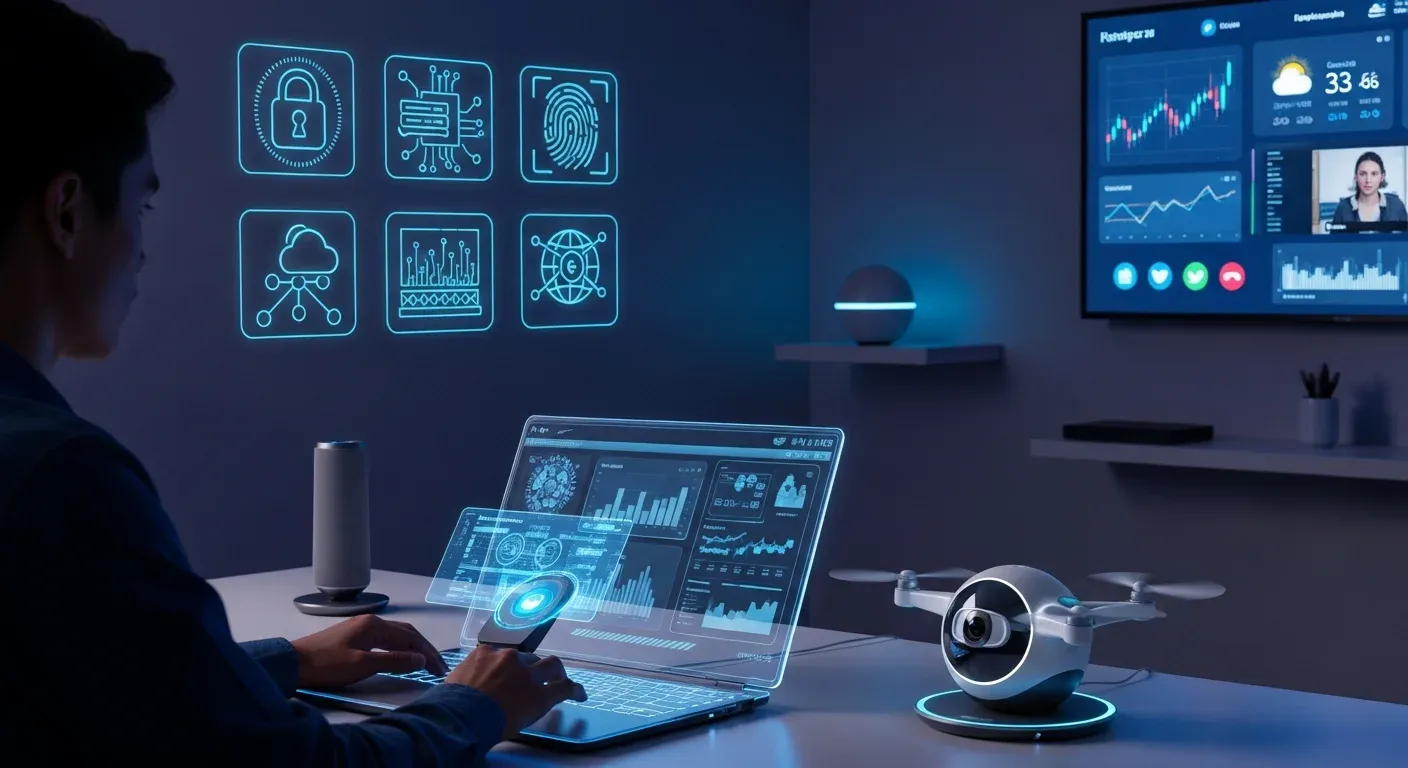
Looking toward 2025, biometric authentication is set to become a key player in securing everything from laptops and smartphones to smart locks and voice assistants. Smart home devices are increasingly integrating these features, adding an extra layer of protection for the most critical systems in your home.
Advances in AI and sensor technology are making biometric systems faster and more accurate than ever. The user experience is smoother, and the chances of someone “spoofing” your identity are lower.
We’re also moving toward a future where passwords might become obsolete. Biometrics are becoming the central piece in multi-factor authentication-combining something you are (biometric) with something you have (your device) or something you know (a PIN). This layered approach makes breaking in much harder for cybercriminals.
Getting Ready for a Biometric Future: What Home Users Can Do Now
Steps to Secure Adoption
As biometric authentication becomes more common, it’s important to make the transition safely and thoughtfully:
Choose devices from trusted brands with a strong record of security.
Keep your devices and software updated to benefit from the latest protections against new threats.
Where possible, configure devices to store biometric data locally rather than in the cloud.
Protecting Your Most Personal Data
Use device-level encryption to safeguard your biometric information.
Review privacy settings regularly and limit access to apps or services that truly need it.
Know your rights under privacy laws and avoid sharing biometric data unnecessarily.
Staying One Step Ahead
Follow reliable security blogs and news sources to stay informed about best practices and new threats.
Engage with online communities to share experiences and learn from others navigating similar security challenges.
Looking Ahead: What Biometric Security Means for Everyday Life
As more households adopt biometric authentication, the way we protect our digital lives is set to change dramatically. Stronger security, greater convenience, and the end of password fatigue are all within reach, but only if we remain vigilant about privacy and smart in how we use these powerful new tools. By taking proactive steps now, home users can confidently embrace the future of online security-making connected living safer and simpler for everyone.
AuthorEmily Thompson
Design Blogger
Emily is a design blogger who specializes in interior design and architectural trends. Her posts offer creative ideas and practical tips for transforming spaces, with a focus on both aesthetics and functionality.