 Michael Reed4 min read
How biometrics are set to transform vehicle security by 2025
Car theft and unauthorized access have become increasingly sophisticated, outpacing traditional security measures like mechanical keys and alarm systems. As our vehicles get smarter and more connected, the need for advanced, foolproof protection is greater than ever. "In 2025, biometric technology is expected to become a game-changer in vehicle security, bringing a new level of safety and personalization to everyday driving." Here’s a look at how biometrics are reshaping the future of car security-and what drivers can expect in the coming years.
From keys to fingerprints: the shift toward biometric access
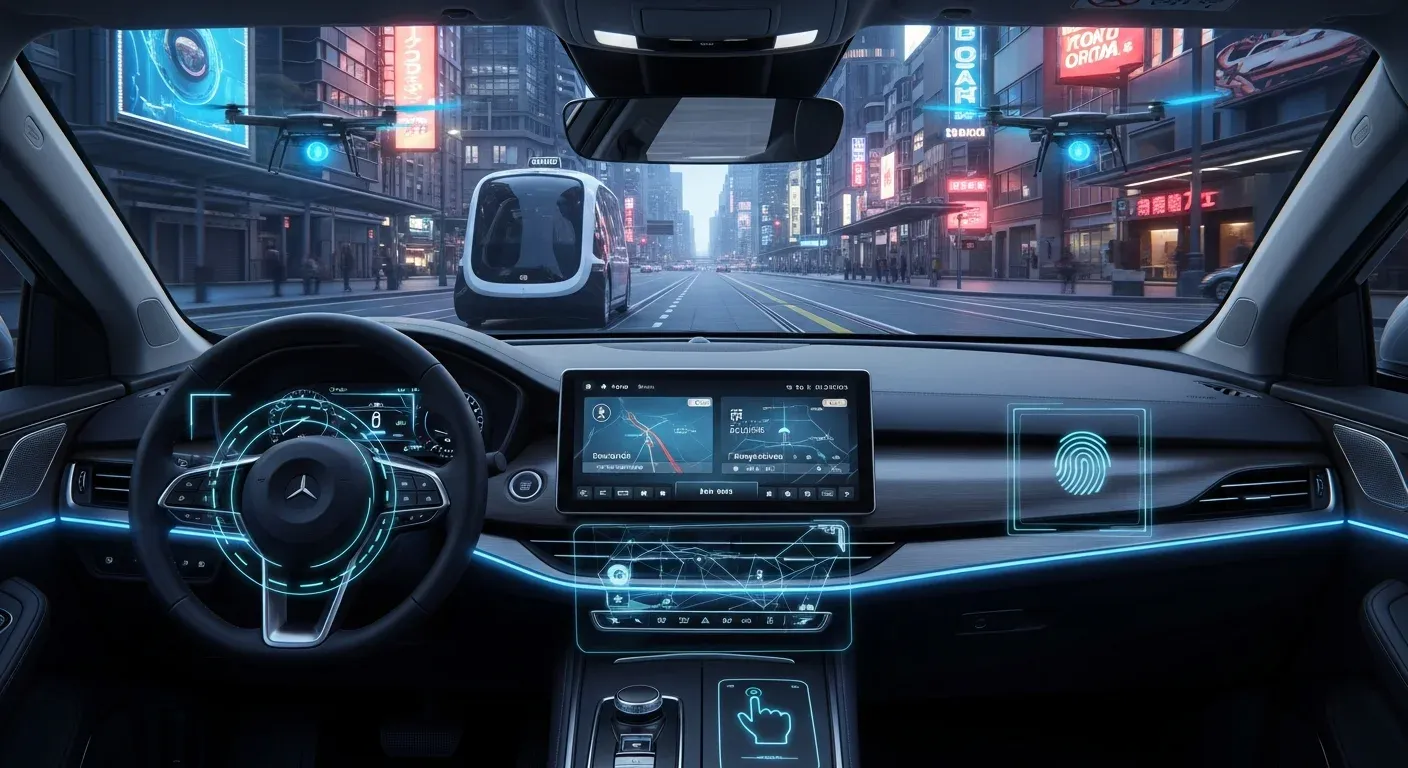
Biometric technology uses unique physical or behavioral traits to identify individuals. In vehicles, the most promising forms include fingerprint scanners, facial recognition cameras, and voice authentication. "Biometric authentication means your car will recognize you-not just your key fob-before letting you in or starting the engine." This marks a significant leap beyond current systems vulnerable to relay attacks, key fob cloning, and other forms of high-tech theft.
Personalized driving: beyond security
Biometrics offer more than just protection-they can make every ride uniquely yours. Once you’re identified, the car can automatically set your seat and mirror positions, adjust the climate, and even queue up your favorite playlist. "With biometric systems, the car tailors the experience to your preferences the moment you get behind the wheel."
But personalization doesn’t stop there. Advanced sensors can monitor your eye movements, facial expressions, and even heart rate to spot signs of fatigue or distraction. If you start to nod off or lose focus, the system can alert you-or even take action to keep you and your passengers safe.
The real benefits: why biometric security matters
"Biometric data is unique to each individual, making it extremely difficult for thieves to bypass these systems, even if they have physical access to your car." Relay attacks and key fob cloning, which have plagued traditional security, become virtually obsolete when access is tied to your fingerprint or face.
"For drivers, this shift also means never having to worry about lost keys or forgetting your fob-your identity is the key." Biometric entry and ignition are not only more secure, but also faster and more convenient, blending seamlessly into your daily routine.
What needs to be solved before biometrics become the standard
While the promise of biometric vehicle security is huge, a few key challenges remain. "Protecting your biometric data is paramount-manufacturers must ensure it is encrypted and handled according to strict data protection laws like GDPR." Drivers need to trust that their most personal information is safe, whether it’s stored locally in the car or securely in the cloud.
There are also technical hurdles. Biometric systems must work reliably in all conditions: whether it’s bright sunlight, pitch darkness, or when you’re wearing sunglasses or gloves. Integrating these technologies with existing vehicle electronics requires careful engineering to ensure everything works smoothly together.
What’s next: trends shaping the future of vehicle biometrics
The next generation of biometric vehicle security will go far beyond a single fingerprint or facial scan. "Multimodal systems-combining fingerprint, face, and voice recognition-will provide layered security that’s even harder to compromise." Artificial intelligence will play a key role, allowing these systems to learn, adapt, and improve over time.
With vehicles becoming more connected, managing biometric data in the cloud could make it possible to authenticate yourself across multiple cars or devices while maintaining high security standards. As these technologies become mainstream, new regulations and industry standards will emerge to ensure data protection, interoperability, and performance-building the trust needed for widespread adoption.
Driving into a new era of vehicle security
"Biometric technology is on track to revolutionize how we protect and interact with our vehicles, offering a blend of security, convenience, and personalization that was once the stuff of science fiction." As automakers roll out these innovations in the coming years, drivers will need to weigh the benefits against concerns about privacy and reliability. But one thing is clear: the days of the lost car key and the easily-hacked fob are numbered.
For those eager to experience the future of driving, "2025 will be the year when biometrics move from novelty to necessity, redefining what it means to keep your car-and yourself-safe on the road." Keep an eye out: the next wave of vehicle security is just around the corner.
AuthorMichael Reed
Technology Columnist
Michael is a technology columnist known for his in-depth articles on internet trends and digital innovations. His writing helps readers stay informed about the latest advancements and best practices in the tech world.